In 2022, Truebill users opened the app and found a different name on the home screen. The subscription tracker they’d signed up for had turned into Rocket Money overnight, complete with new branding and a new parent company listed in the App Store. For the millions of people who’d connected their bank accounts to Truebill, it raised an obvious question: what actually happened, and does any of this change how the app works?
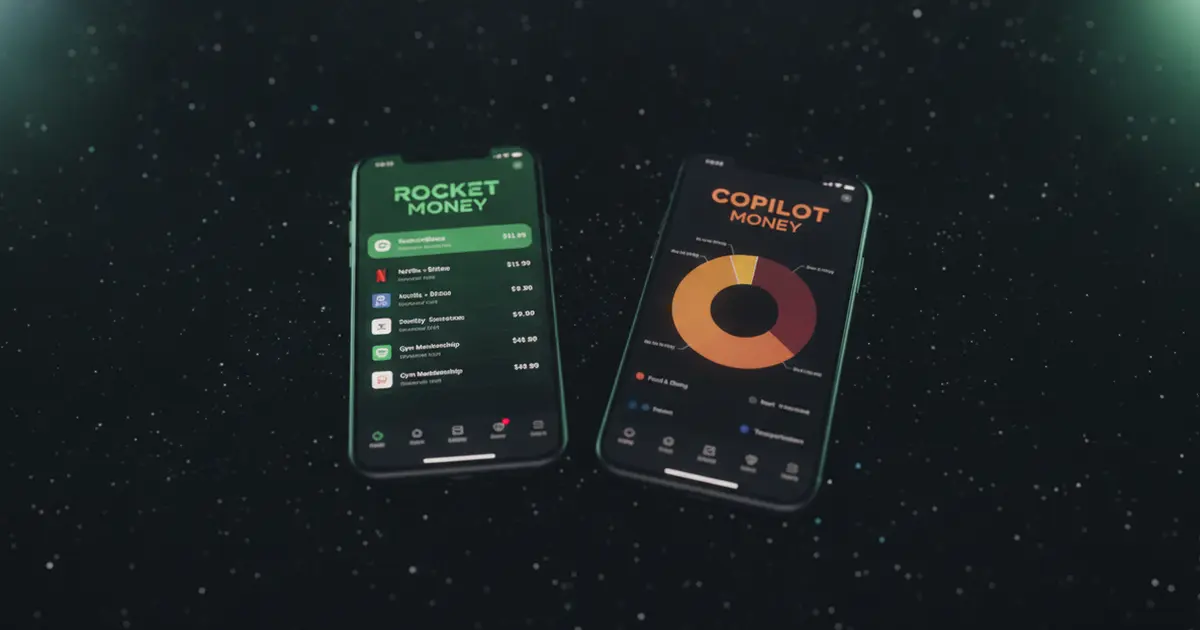
Truebill was acquired by Rocket Companies for $1.275 billion in December 2021 and rebranded as Rocket Money in August 2022. The core features transferred intact: subscription tracking, spending insights, bill negotiation, and a concierge cancellation service on the paid tier. Existing Truebill accounts migrated automatically. The app is still live under the new name.
What Was Truebill?
Truebill launched in 2015 as a subscription cancellation tool. Co-founders Haroon and Yahya Mokhtarzada, along with Edward Tian, built it in Silver Spring, Maryland, with a simple premise: most people don’t know exactly how many subscriptions they’re paying for each month, and Truebill would answer that in about five minutes.
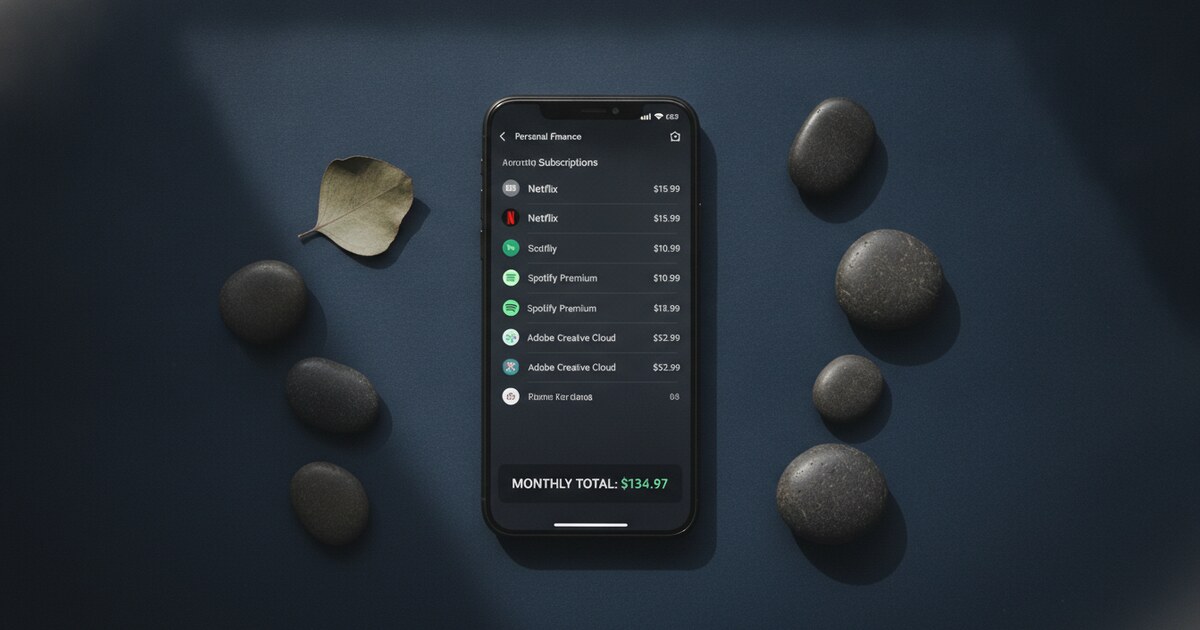
The mechanics were clean. Connect a bank or credit card through Plaid, and Truebill scanned 90 days of transaction history to pull every recurring charge into a single dashboard. You’d see Netflix, the gym, the long-forgotten cloud storage plan, and everything else in one view with a combined monthly total.
Free users got the subscription list and a basic spending breakdown. Paying subscribers (around $9/month) got the cancellation concierge: flag a subscription inside the app and Truebill contacted the service provider on your behalf. That feature was genuinely useful for subscriptions that require a phone call or a lengthy support chat to exit, like gym memberships or satellite TV. Truebill also offered bill negotiation, keeping 35–60% of whatever savings it secured.
By 2020, the company had raised $17 million in its Series C round. By late 2021, it had roughly 2.4 million users and was tracking toward $100 million in annual recurring revenue, with that year’s revenue more than doubling 2020 figures. That growth made it a compelling acquisition target.
Why Rocket Companies Paid $1.275 Billion for It
Truebill was founded in 2015 by brothers Haroon and Yahya Mokhtarzada alongside co-founder Edward Tian, originally as a tool to cancel unwanted subscriptions. By late 2021, it had roughly 2.4 million users and was on track to generate $100 million in annual recurring revenue, with 2021 revenue more than doubling 2020 figures. Rocket Companies (parent of Rocket Mortgage) announced the acquisition on December 20, 2021, and closed it three days later for $1.275 billion in cash, which was roughly 2.4x Truebill’s last private valuation of $530 million. By Q1 2022, the app had grown to 3.4 million users, up 142% year-over-year, including 1.7 million premium paying members. Rocket Companies announced the rebrand on July 19, 2022; Truebill officially became Rocket Money in late August of that year. The rebranding positioned the app inside Rocket’s broader ecosystem of mortgage, loans, auto, and real estate products.
Rocket’s strategic logic was clear: a fintech app with millions of users who’ve already linked their bank accounts is a useful channel for other financial products. If you’re managing subscriptions inside Rocket Money, you’re one tap from a mortgage rate check or a personal loan offer through Rocket’s connected products.
For Truebill’s founders, the $1.275 billion cash price was roughly 2.4x the company’s last private valuation of $530 million. All existing user accounts carried over to the new brand. The team stayed on and continued running the product.
Truebill vs Rocket Money: What Changed and What Didn’t
From a features standpoint, Truebill and Rocket Money are the same app. Subscription tracking, the cancellation concierge, bill negotiation, and spending breakdowns all transferred without changes to how they work. Existing users didn’t lose data or have to reconfigure anything.
What changed was the branding, the design, and the ecosystem access. Truebill’s visual identity was replaced with Rocket’s. More meaningfully, Rocket Money users can now access Rocket’s mortgage, auto, and personal loan products from inside the app, which Truebill didn’t offer. For people who want subscription management only, that integration sits quietly in the background. For people shopping for a mortgage or personal loan, it’s a convenient connection.
Pricing stayed in roughly the same range. Rocket Money Premium costs $6–$12/month on a pay-what-you-think-is-fair model, which is how Truebill structured its paid tier as well. The bill negotiation service still takes 35–60% of first-year savings, same as before.
One concrete change worth noting: as of 2026, Rocket Money reports over 10 million users on the platform, roughly 3x the user base Truebill had at the time of the acquisition. The rebrand clearly didn’t slow growth.
Searching “Truebill” in the App Store or Google Play now surfaces the Rocket Money listing. The original Truebill brand is fully retired.
The security infrastructure didn’t change with the rebrand. Rocket Money connects to banks through Plaid, which uses 256-bit AES encryption for data in transit and at rest. Plaid is the same bank-linking layer behind Venmo, Coinbase, Robinhood, and hundreds of other fintech apps, so the infrastructure is well-tested and widely audited.
The privacy question isn’t really about encryption standards; it’s about what you’re sharing and with whom. Linking through Plaid gives Rocket Money read-only access to your bank transactions. The app can see what you spend and flag recurring charges. It can’t move money or initiate transfers. But your transaction history does live on Rocket’s servers, used to power the subscription detection and spending insights features.
For most people, this is the same trade-off they’ve already accepted with other banking and budgeting apps. Rocket Money has a documented privacy policy covering data retention and third-party data sharing, and the Plaid connection is the standard mechanism for consumer fintech.
The concern worth flagging: “safe” for some people means secure encryption, and by that measure Rocket Money is fine. For others, “safe” means not connecting a bank account to a third-party app at all. By that measure, Rocket Money (and Truebill before it) requires you to accept a trade-off that has nothing to do with the quality of their encryption.
For a full breakdown of Rocket Money’s Plaid permissions, data retention practices, and what it shares with third parties, see our Rocket Money security review.
Is Rocket Money Worth Using in 2026?
The free plan delivers real value for one specific goal: knowing what subscriptions hit your account each month. Connect a bank account, and within minutes you’ll have a consolidated list of recurring charges with a combined monthly and yearly total. For someone who’s genuinely never seen that number in one place, the visibility alone is useful.
The limits on the free plan are real, though. You can’t request cancellations through the app; that’s a Premium feature. Budget categories cap at 2, which makes any detailed tracking impractical. Credit score monitoring and the Smart Savings automation tool are both paid-only.
Premium runs $6–$12/month, and you choose your price during signup. A 7-day free trial exists, but Rocket Money collects payment information before the trial begins. The bill negotiation service is priced separately from the subscription: it’s success-based, and Rocket Money keeps 35–60% of whatever first-year savings it secures. On a $40/month reduction, that’s $168–$288 out of your pocket. Some people find that worthwhile given the effort saved. Others prefer to call and negotiate directly and keep the full savings.
The app holds a 4.5-star rating on the App Store and 4.6 on Google Play across 400,000+ combined reviews as of 2026. It’s a large, actively maintained product with a real user base.
For a detailed breakdown of free vs paid features and what each plan actually includes, see our Rocket Money pricing guide.
Tracking Subscriptions Without a Bank Login
One thing that didn’t change when Truebill became Rocket Money is the bank-login requirement. The free plan still requires a Plaid connection. There’s no way to use Rocket Money without it.
For people comfortable with that trade-off, the app works well. For people who’d rather not hand bank credentials to a third-party app regardless of how good the encryption is, Rocket Money is a non-starter on any plan.
Full disclosure: we built Ditchr, so weigh this comparison accordingly. Ditchr tracks subscriptions without connecting to your bank. You add subscriptions manually, import a bank statement screenshot, or forward receipts from email. Your subscription data stays on your device.
The obvious trade-off: Ditchr won’t auto-detect subscriptions by scanning your bank transaction history the way Rocket Money does. You do a bit more initial setup. In exchange, no bank credentials leave your phone.
Ditchr covers the core use case: a dashboard showing monthly and yearly subscription spend, renewal reminders before charges hit, free-trial countdowns before paid conversions, and a calendar showing upcoming billing dates. It doesn’t negotiate bills or include a cancellation concierge. If those features are the reason you’re looking at Rocket Money (formerly Truebill), Ditchr won’t cover them.
If subscription visibility without bank access is what you need, Ditchr covers the basics free. Add subscriptions manually, run a sweep from a screenshot or statement, and get reminded before every renewal. Start for free at ditchr.app.