Many people download Rocket Money expecting a fully free app, then hit a paywall when they try to use the features they actually wanted. The app genuinely has a free tier, but what “free” means here is more nuanced than the marketing suggests. Some of the most-advertised features sit behind a monthly subscription, and using even the free version requires connecting your bank account to a third-party service. Here’s exactly what you get, what you’ll pay for, and how to decide if it’s worth it.
Rocket Money is partially free. Subscription detection and basic budgeting cost nothing, but you must connect your bank account via Plaid to get started. The premium plan runs $6 to $14 per month and adds concierge cancellation, web access, and unlimited budgets. A 7-day free trial is available, but payment info is required upfront.
What Rocket Money’s Free Plan Includes
Once you link at least one bank account or credit card, Rocket Money scans your transaction history and surfaces every recurring charge it can find: name, amount, billing cycle, and last charge date.
Here’s what the free tier covers:
- Automatic subscription detection across all linked accounts
- Basic budgeting (capped at 2 custom categories)
- Spending insights and net worth tracking
- Credit score monitoring
For catching subscriptions you forgot about, the free plan does what it promises. A linked account gives the app enough data to flag recurring charges you might not remember signing up for. Most people who try the free tier find at least one or two surprises in their transaction history.
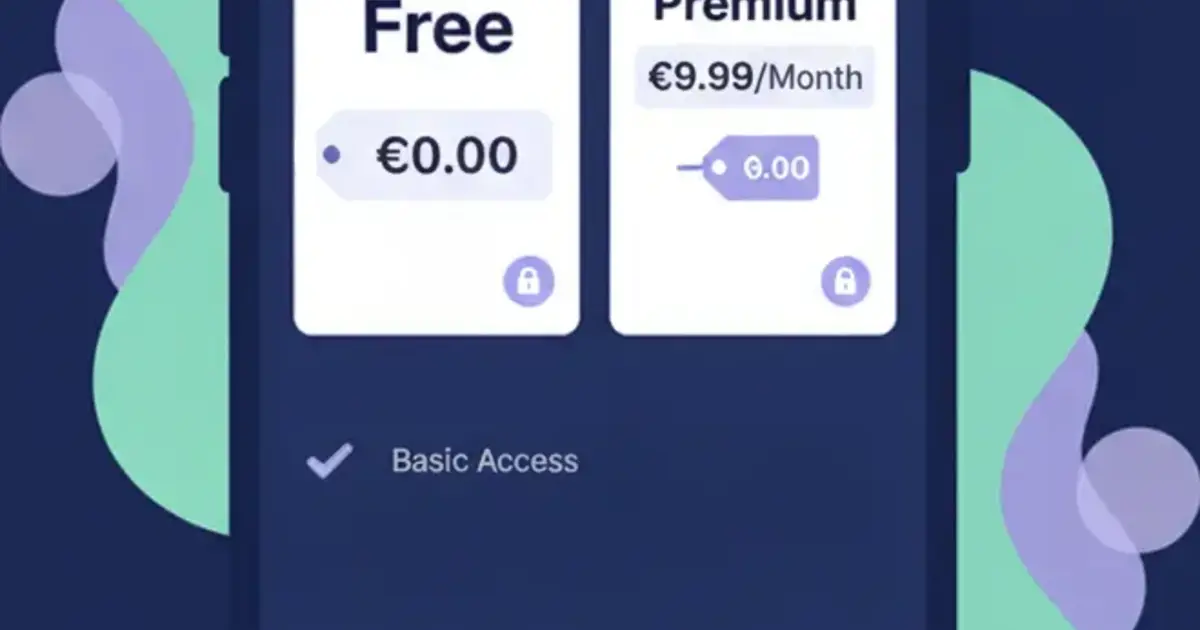
Rocket Money’s free plan includes automatic subscription detection across linked bank and credit card accounts, basic budgeting with 2 custom budget categories, spending insights, net worth tracking, and credit score monitoring. Bank account linking via Plaid is required even on the free tier, with no manual-entry option and no email import path. The premium plan ranges from $6 to $14 per month on a sliding scale described as “pay what you think is fair.” A 7-day free trial comes with every Premium signup, but payment details are collected upfront and billing starts automatically on day 8. Premium adds concierge subscription cancellation, web access, unlimited budget categories, on-demand account syncing, iOS widgets, account sharing, Smart Savings automation, and transaction tools including exports, rules, splits, and tags. Bill negotiation is a separate add-on: Rocket Money charges 35% to 60% of the first year’s savings if it successfully lowers a bill. If the negotiation fails, you owe nothing.
What Rocket Money Premium Actually Costs
The features Rocket Money promotes most heavily in its marketing are almost all Premium-only. That’s worth knowing before you download expecting everything to be free.
Rocket Money Premium uses a sliding “pay what you think is fair” scale from $6 to $14 per month. You choose your price during signup, and the interface defaults to a higher number. You can manually select $6, but most users end up paying more based on what the app suggests.
What Premium unlocks:
- Concierge cancellation: Rocket Money contacts the service provider and cancels the subscription on your behalf. This is the headline feature.
- Web access: the free app is mobile-only. Premium opens a full browser dashboard.
- Unlimited budget categories: free users are capped at 2.
- On-demand account syncing: free accounts refresh on a delay; Premium syncs whenever you ask.
- Smart Savings: automates transfers to a savings goal you set.
- iOS widgets, transaction exports, account sharing, financial goals tracking
A 7-day free trial lets you test Premium before committing. Payment details are required at signup, and the first charge hits automatically on day 8 if you don’t cancel. Downgrading before then costs nothing, and your subscription data carries over to the free tier.
For a deeper look at how the concierge cancellation service works day-to-day and where it falls short, see our full Rocket Money review.
The Part the Marketing Doesn’t Lead With
One important detail Rocket Money’s pricing page buries: you can’t use the free plan without connecting your bank account.
Rocket Money requires at least one bank or credit card linked via Plaid before the app does anything useful. Plaid is a financial data aggregator used by dozens of major apps including Venmo and Robinhood. It creates a read-only token tied to your account, so Rocket Money can see your transaction history but can’t move money.
For many people, that trade-off is fine. Plaid is widely trusted and the read-only access is real, not just marketing language. For others, handing bank access to a subscription tracker feels like more exposure than the use case warrants.
If you want to understand specifically what data Plaid shares with Rocket Money and how it’s secured, we went through the details in our piece on whether Rocket Money is safe to use. The short version: Plaid stores a token rather than your actual credentials, and Rocket Money says it doesn’t sell transaction data to third parties.
Is Rocket Money Free Tier Enough, or Do You Need Premium?
Whether the free plan is sufficient depends on what you’re actually trying to accomplish.
If you want to cancel one specific hard-to-cancel subscription, paying for one month of Premium, using the concierge service, then canceling Premium before the next billing date is a reasonable approach. Gym memberships, cable bundles, and services that require a phone call are exactly what the concierge feature is built for. Many Rocket Money users sign up, cancel something, then downgrade.
If you want ongoing subscription awareness, the free tier handles the basics. The 2-category budget limit is friction, but if your main goal is “show me every recurring charge and what it costs me per month,” the free plan gets there. You just won’t be able to build a detailed budget around it.
If bill negotiation is your goal, that’s priced separately from both plans. Rocket Money charges 35% to 60% of your first-year savings. On a $60/month cable bill negotiated down to $40, that’s $240 in annual savings — and Rocket Money’s cut runs $84 to $144. Sometimes still worth it, depending on how large the bill is and how much they can knock off.
A Free Option That Skips the Bank Linking
Full disclosure: we built Ditchr, so weigh this section accordingly.
Ditchr tracks subscriptions without connecting to your bank. You add services manually from a catalog of known subscriptions, or run a “sweep” by uploading a bank statement screenshot, a card statement, or email receipts. The app reads those files on-device and pulls out recurring charges without any live bank connection.
The result is a dashboard showing your total monthly and yearly subscription spend, a renewal calendar marking which services bill on which day, and a “costing you the most” ranking so you know where to focus first. Renewal reminders fire before each charge. If you’re on a free trial, a countdown tracks how many days are left before it converts to paid.
Nova, Ditchr’s in-app AI assistant, can answer questions about your spending and help you think through what’s worth keeping.
What Ditchr doesn’t do: it won’t contact a service and cancel on your behalf, and it doesn’t negotiate bills. It gives you a clear picture of what you’re paying so you can decide what to cut yourself.
If the Plaid requirement on Rocket Money is the part that’s giving you pause, Ditchr is worth a look. Start free at ditchr.app.