People compare Rocket Money and YNAB because both show up when you search for “personal finance app,” both cost around $15 a month, and both promise to help you spend less. What they don’t tell you upfront is that these apps solve different problems. One is a zero-based budgeting system that asks you to plan every dollar before you spend it. The other automates subscription detection, spending visibility, and bill negotiation so you barely have to think about it.
Picking the wrong one creates friction instead of relief. Someone who wants active spending control using Rocket Money will feel like the app doesn’t go deep enough. A busy person who just wants low-effort money visibility using YNAB will feel overwhelmed within two weeks. This guide covers what each app actually does, what it costs in 2026, and how to figure out which one you actually need.
Rocket Money and YNAB solve different money problems. YNAB is a zero-based budgeting app where you assign every dollar to a spending category before it gets spent. Rocket Money is an automation-first finance tool that detects subscriptions, tracks your spending automatically, and can negotiate lower bills on your behalf. Both require a bank connection. They rarely serve the same person well.
What Rocket Money Does and What It Costs
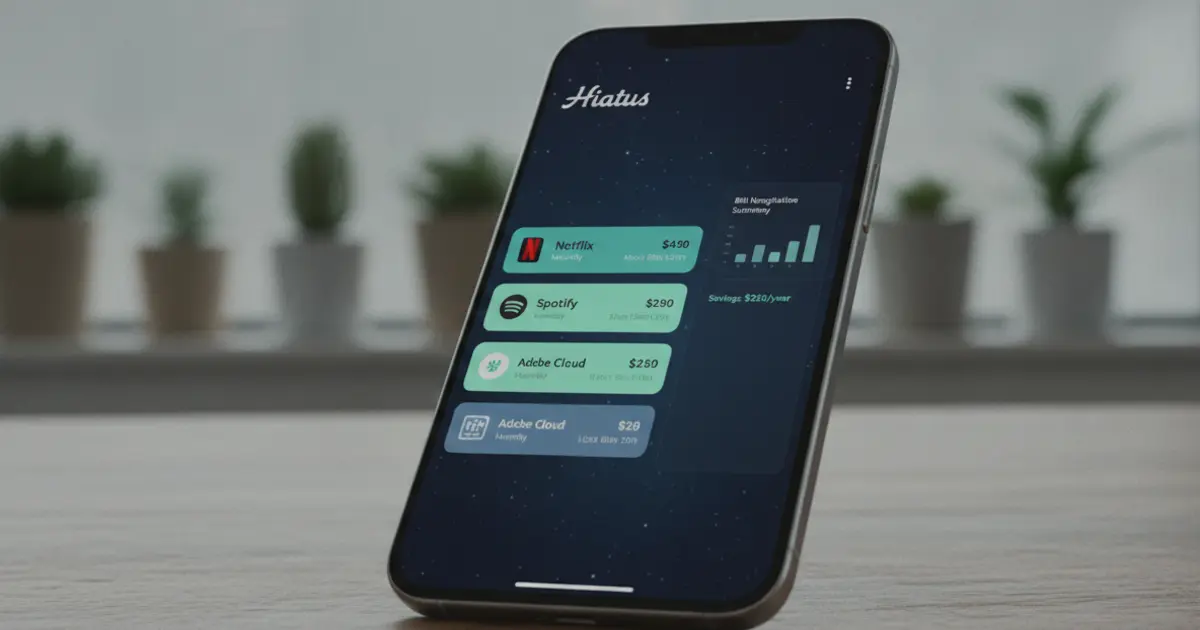
Rocket Money, previously called Truebill before Rocket Companies acquired it in 2022, connects to your bank through Plaid and pulls in every transaction automatically. It scans your history for recurring charges, flags active subscriptions, and organizes spending into categories with no manual setup on your part. The free tier covers basic subscription detection, balance alerts, and two custom budget categories. Premium runs $7–$14 per month on a pay-what-you-want model, meaning you pick your price and all premium features unlock regardless of what you choose.
Rocket Money Premium costs $7–$14 per month with a 7-day free trial. The free tier includes basic subscription detection and spending alerts. Premium adds on-demand bank sync, a cancellation concierge that handles subscription cancellations on your behalf, Financial Goals for automated savings, account sharing, iOS widgets, and full web access. Bill negotiation is a separate optional service: Rocket Money contacts your internet, cable, or insurance providers and requests lower rates. If successful, they take 35–60% of your first year’s savings as their fee. If the negotiation fails, you pay nothing. Credit monitoring is included free on all tiers. Every core feature requires a live Plaid bank connection. Without linking your bank, the app can’t detect subscriptions or organize your spending. As of 2026, the $7–$14 Premium price range has remained steady.
The bank connection requirement is worth thinking through before you sign up. Plaid only gets read-only access, so Rocket Money can see your transactions but can’t move money. Still, you’re granting a third party access to your full transaction history. Most Rocket Money users weigh the convenience against that trade-off and decide it’s acceptable. Some don’t, and that’s a reasonable position.
What YNAB Does and What It Costs
YNAB (You Need a Budget) is built around zero-based budgeting and four rules: Give Every Dollar a Job, Embrace Your True Expenses, Roll With the Punches, and Age Your Money. The first rule is the foundation: every dollar you currently have gets assigned to a category before you spend it. Instead of reviewing what you already spent at month’s end, you decide in advance where your money goes.
YNAB costs $14.99 per month or $109 per year, which works out to $9.08 per month on the annual plan. One subscription covers up to 6 people, so couples and families can share a budget without paying twice. College students get the first year free with a .edu email address. The free trial runs 34 days with no credit card required — long enough to run a full monthly budget cycle before committing.
The system has a real learning curve. YNAB works best when you check in frequently, assign new income to categories as it arrives, and adjust when one category runs over. Bank sync is available, but YNAB is fundamentally forward-looking: you plan before you spend, not just after. The company runs free live workshops every week to help with setup, and the r/ynab community is one of the more active personal finance spaces online with answers to nearly any question you’ll hit in the first month.
Two things YNAB doesn’t do: bill negotiation and automatic subscription detection. If your internet bill is too high, YNAB won’t call the provider for you. If you have a dozen active subscriptions, YNAB won’t surface them automatically. You’d see subscription charges in your budget categories after they post, but there’s no alerting or detection system. That’s a meaningful gap depending on what you’re trying to solve.
Rocket Money vs. YNAB: Side-by-Side
| Feature | Rocket Money | YNAB |
|---|
| Budgeting approach | Automatic, reactive | Zero-based, proactive |
| Bank connection | Yes (Plaid) | Yes (bank sync) |
| Subscription tracking | Yes, auto-detected | Manual categorization only |
| Bill negotiation | Yes (35–60% of savings fee) | No |
| Cancellation concierge | Yes (Premium) | No |
| Credit monitoring | Yes (free) | No |
| Debt payoff planning | No | Yes (Premium) |
| Shared budgets | Yes (Premium) | Yes, up to 6 people |
| Monthly cost | Free or $7–14/mo | $14.99/mo ($9.08/mo annual) |
| Free trial | 7 days | 34 days |
The biggest structural difference isn’t any single feature. Rocket Money looks backward at what you’ve spent and tries to trim it. YNAB looks forward at money you haven’t spent yet and asks you to plan it.
The trial lengths are worth calling out. Seven days with Rocket Money is barely enough to see how subscription detection settles in after pulling your bank history. Thirty-four days with YNAB is long enough to run a full monthly budget cycle and actually feel whether the zero-based method fits how your brain works. If you’re genuinely on the fence, try YNAB’s longer trial first.
People who quit YNAB most often cite the time commitment. Fall behind for a week and the budget stops reflecting reality, which means backfilling transactions or starting fresh. People who quit Rocket Money most often feel let down by bill negotiation, either because it didn’t work with their providers or because the 35–60% success fee felt steep once they ran the numbers.
Which App Fits Your Situation
YNAB makes more sense if:
- You want to build stronger spending habits, not just observe your current ones
- You’re carrying debt and want an integrated payoff plan in the same app
- You and a partner want to manage money together in a shared system
- You’re a college student (free for 12 months with a .edu email)
- You want enough time to actually evaluate the system before paying
Rocket Money makes more sense if:
- You want spending visibility without manual setup or regular check-ins
- You suspect you’re overpaying on bills and want someone to negotiate on your behalf
- You want subscriptions detected and organized automatically from your bank data
- You’re comfortable with Plaid bank linking as the trade-off for convenience
A third option if subscription tracking is your main goal: both Rocket Money and YNAB require linking a bank account to work. Neither is built for people who want private, manual-first subscription management without sharing bank access.
Ditchr (full disclosure: this is our app) handles that specific case. You add subscriptions manually or import from a screenshot of your card statement, a bank statement file, or your email receipts. No Plaid connection, no bank login. Ditchr shows your total monthly and yearly subscription spend, sends renewal reminders before each billing date, and alerts you before trial periods convert to paid charges. It doesn’t track general spending, doesn’t negotiate bills, and doesn’t cancel subscriptions for you. It’s a subscription tracker, not a budgeting app.
If the choice between Rocket Money and YNAB is about general budgeting or cutting bills, Ditchr won’t replace either one. But if subscription charges keep catching you off guard and you’d rather not share bank access to fix that, Ditchr handles exactly that problem. Our Rocket Money alternatives guide covers the full landscape of subscription tracking tools with different privacy trade-offs.
See what your subscriptions add up to at ditchr.app.
Frequently Asked Questions
Is YNAB or Rocket Money better for beginners?
Rocket Money is easier to start. Link your bank and the app handles most of the work automatically. YNAB requires learning its four-rule budgeting system and checking in regularly to keep your budget current. Most people new to budget tracking find Rocket Money less intimidating as a starting point, though YNAB’s 34-day trial gives you enough time to properly evaluate it.
Does YNAB track subscriptions like Rocket Money?
No. YNAB doesn’t have a dedicated subscription tracker or renewal alerts. You can categorize subscription charges in your budget after they post, but there’s no automatic detection. Rocket Money detects recurring charges automatically once your bank account is connected through Plaid.
Can you use both Rocket Money and YNAB at the same time?
Some people run both for a month to compare. More commonly, people start with Rocket Money to get a spending overview, then switch to YNAB when they’re ready for more active budgeting control. Running both long-term tends to mean one gets ignored within a few weeks.
Is YNAB worth the price compared to Rocket Money?
Rocket Money can run as low as $7 per month vs. YNAB at $14.99 per month. YNAB costs more but tends to produce stronger spending habit changes for people who stick with the method. The right pick depends on whether you want automation or active budgeting control — not on price alone.
What is the main difference between Rocket Money and YNAB?
Rocket Money is reactive: it shows what you’ve spent, detects subscriptions automatically, and negotiates bills on your behalf. YNAB is proactive: you assign every dollar to a spending category before you spend it. Both are personal finance apps, but they’re built around completely different approaches to money management.